Breathe Pakistan International Climate Change Conference concludes with calls for climate resilience, coordinated action
AI Summary
The Breathe Pakistan International Climate Change Conference concluded in Islamabad, addressing climate resilience and cooperation among stakeholders from various sectors. Discussions highlighted the urgent need for coordinated action to tackle climate change as a broad economic and development challenge.
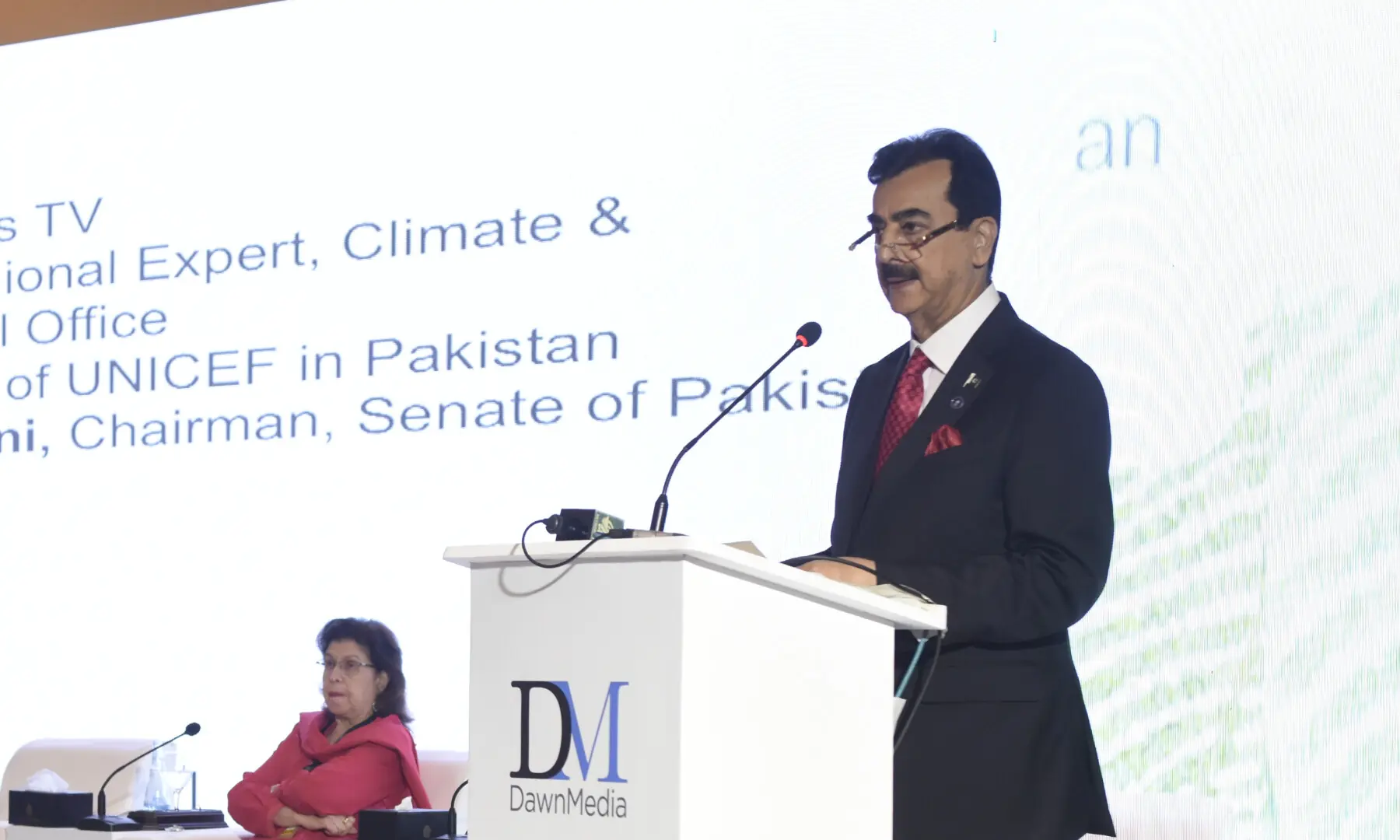
The second edition of the Breathe Pakistan International Climate Change Conference, organised by DawnMedia, concluded in Islamabad on Thursday after two days of deliberations on climate resilience, adaptation, energy transition, water security, urban planning, agriculture, climate finance and equitable policymaking. According to a press release by Breathe Pakistan, the conference brought together policymakers, parliamentarians, international organisations, climate experts, corporate leaders, academics, development partners and civil society representatives to assess Pakistan’s climate vulnerabilities and the reforms needed to strengthen resilience. It stated that across both days, speakers emphasised that climate change was no longer solely an environmental concern, but a broader economic and development challenge requiring coordinated implementation, regional cooperation and long-term planning. On the first day, federal ministers, government officials, business leaders, and agriculture and water experts were among the various speakers who presented their perspectives on tackling the climate crisis. Day two of the conference focused on Global South cooperation, climate-smart cities, clean energy transition, private-sector climate leadership, climate equity and provincial climate initiatives. Discussions highlighted the need for climate-responsive urban planning, investment in energy infrastructure, stronger inclusion of vulnerable communities in policymaking, and enhanced regional collaboration on shared environmental challenges. The day featured addresses and discussions involving Khyber Pakhtunkhwa Chief Minister Sohail Afridi, Punjab Senior Minister Marriyum Aurangzeb, Romina Khurshid Alam, Mohamed Yahya, Shehzad Roy, Sharmila Faruqui, as well as representatives from the UN, UNEP, WHO, Unicef, IFAD, IRENA, IEEFA, SECP, and leaders from Pakistan’s banking, telecom, manufacturing and energy sectors. In her closing remarks, DawnMedia CEO Nazafreen Saigol Lakhani thanked speakers, partners, guests and the media for contributing to the conference and helping bring visibility to climate issues. “As we close the Breathe Pakistan International Climate Change Conference 2026, I extend my sincere thanks to our speakers, partners, distinguished guests, and the media. Your contributions have enriched these discussions and brought much-needed visibility to critical climate issues.” She said the discussions over the two days reinforced that climate change was now a lived reality, with day one focusing on its impact on agriculture, water systems and livelihoods, while day two centred on implementation, resilience and equitable climate action. Highlighting the role of journalism in climate discourse, she said: “At DawnMedia, we recognise that the role of media in this space is essential. Breathe Pakistan is not just about convening conversations but sustaining them and driving accountability.” View the full agenda here. 5:30pm — Conference concludes 5:22pm — ‘Internal stability, regional calm, global cooperation needed to achieve climate agenda’ Senate Chairman Yousuf Raza Gilani speaks at Breathe Pakistan conference. — White Star/ Tanveer Shahzad Senate Chairman Yousuf Raza Gilani, appearing for this year’s Breathe Pakistan as well, said Pakistan was braving the challenge with resilience and resolve. He stressed that to achieve climate, food and economic security, “internal stability, regional calm, and global cooperation” were needed. “Without peace, no climate agenda can succeed,” he said. The Senate chairman declared, “Pakistan is leading by example. We are strengthening resilience across energy, food, and agricultural sectors, mobilising climate finance and expanding partnerships.” “Climate resilience must reach the last mile, protecting farmers, families and communities, not just filling policy documents,” Gilani said, reaffirming the Senate’s commitment to advancing climate laws. 5:16pm — ‘Solutions clear, but need to be implemented, resourced and prioritised’ Unicef Pakistan’s Pernille Ironside speaks at Breathe Pakistan conference. — White Star/ Tanveer Shahzad Unicef Pakistan’s Pernille Ironside, speaking on behalf of the United Nations in Pakistan, commended DawnMedia for organising Breathe Pakistan to discuss the climate crisis. Ironside recalled that the two-day conference engaged a whole range of stakeholders — government, private sector, civil society, media, UN, development partners, and others, such as a 19-year-old activist. “As we heard, those solutions are clear; they need to be implemented, resourced and prioritised.” She affirmed the UN’s commitment to continuing to partner for such initiatives on climate action. 5:04pm — Focus on disaster-risk reduction in ‘age of adaptation’: UNEP’s Aban Marker Aban Marker Kabraji, speaks at Breathe Pakistan conference. — White Star/ Tanveer Shahzad Aban Marker Kabraji, senior regional expert for Climate & Environment