UN Security Council adopts Pakistan-led statement urging diplomacy during wars
AI Summary
The UN Security Council adopted a Pakistan-led presidential statement urging continued diplomacy during armed conflicts to reduce escalation, protect civilians and enable humanitarian assistance. It calls for communication and mediation during hostilities and sustained political engagement after ceasefires to secure lasting settlements.
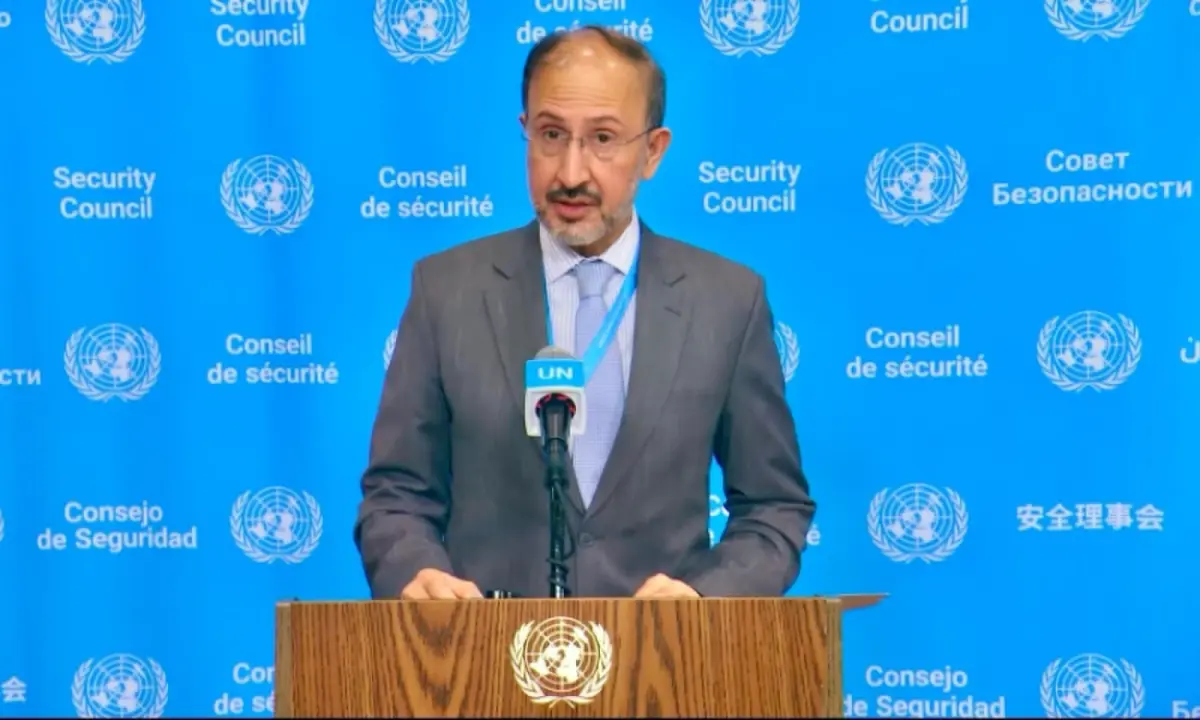
UNITED NATIONS: The UN Security Council on Thursday adopted a presidential statement initiated by Pakistan, calling on countries to continue diplomatic engagement even after the outbreak of armed conflicts and urging sustained efforts to secure ceasefires, prevent escalation and achieve lasting political settlements. The statement, titled “The Role of Diplomacy during Active Hostilities”, emphasises that diplomatic engagement remains essential during wars to protect civilians, contain violence, prevent conflicts from spreading and facilitate humanitarian assistance. It urges countries to use mediation, good offices and direct or indirect communication between warring parties to ease tensions and create opportunities for negotiations, even as military operations continue. The statement was adopted under the November presidency of Latvia’s Ambassador Sanita Pavļuta-Deslandes, who is presiding over the Security Council this month. Pakistan’s Permanent Representative to the UN, Ambassador Syed Haider Shah, welcomed the adoption, describing it as an important contribution to international efforts to resolve conflicts peacefully. “The message of this Presidential Statement is both simple and powerful: Diplomacy must not end when hostilities begin. Indeed, it becomes even more indispensable,” he said during a press stakeout after the adoption. The Pakistani initiative builds on Security Council Resolution 2788, unanimously adopted during Pakistan’s presidency of the Council in July 2025, which reaffirmed the importance of a peaceful settlement of international disputes under the UN Charter. The latest statement extends that framework by focusing specifically on diplomatic engagement after armed confrontations have begun, a period when communication between opposing sides often breaks down and the risk of further escalation increases. The Council emphasised the importance of maintaining communication channels between parties to armed conflicts, both directly and through intermediaries. Such contacts can help prevent miscalculations, facilitate de-escalation and provide opportunities for political negotiations. “Through good offices, open channels of communication and continued dialogue, diplomacy can provide a vital bridge from confrontation to de-escalation and peaceful settlement,” Ambassador Shah said. The statement also identified several practical objectives for diplomatic engagement during active hostilities, including facilitating cessations of hostilities, ensuring safe and unhindered humanitarian access, protecting civilians and reducing the danger of conflicts widening into regional or international confrontations. It further emphasised that ending hostilities should not be an end in itself, stressing that diplomatic and political engagement must continue after a ceasefire to secure a lasting political settlement. The statement also recognised the contribution of individual UN member states that undertake diplomatic initiatives during armed conflicts. It encouraged them to continue using mediation, good offices and diplomatic engagement to reduce tensions and facilitate transitions from confrontation to peaceful resolution. Regional and subregional organisations are also identified as important contributors to conflict resolution. The Council welcomed efforts to strengthen their mediation capacities and encouraged closer cooperation between them and the United Nations. The statement further highlighted the role of the UN secretary-general in using his good offices, along with those of his representatives, special envoys and UN mediators, to promote dialogue and peaceful settlements. It encouraged the secretary-general to continue supporting diplomatic efforts before and during armed conflicts, including initiatives aimed at de-escalation and sustainable political solutions. The Council also reaffirmed that diplomatic efforts must remain consistent with the UN Charter, international law and relevant Security Council resolutions. It recognised the role of other UN organs in supporting peaceful dispute settlement, including the International Court of Justice (ICJ) in adjudicating disputes where states have consented to its jurisdiction. Ambassador Shah said the adoption brought together the Council’s experience in dealing with individual conflict situations under a common thematic framework, providing a political reference point for diplomatic initiatives in ongoing and future conflicts. “Today’s adoption represents a meaningful contribution to the Council’s thematic body of work,” he said. He added that the initiative reflected Pakistan’s commitment to multilateralism, dialogue and the peaceful settlement of disputes. The Council also requested the UN Secretary-General to continue promoting diplomacy, mediation and peaceful dispute resolution and keep it informed, as appropriate, of efforts in this regard.