Pakistan working with partners to defuse Hormuz stand-off: FO
AI Summary
Pakistan is actively engaged with regional partners, especially Oman, to defuse the Strait of Hormuz stand-off through coordinated diplomatic efforts. The Pakistani government is reviewing the terms of a Saudi-led maritime coalition aimed at protecting key shipping routes in strategically important waterways.
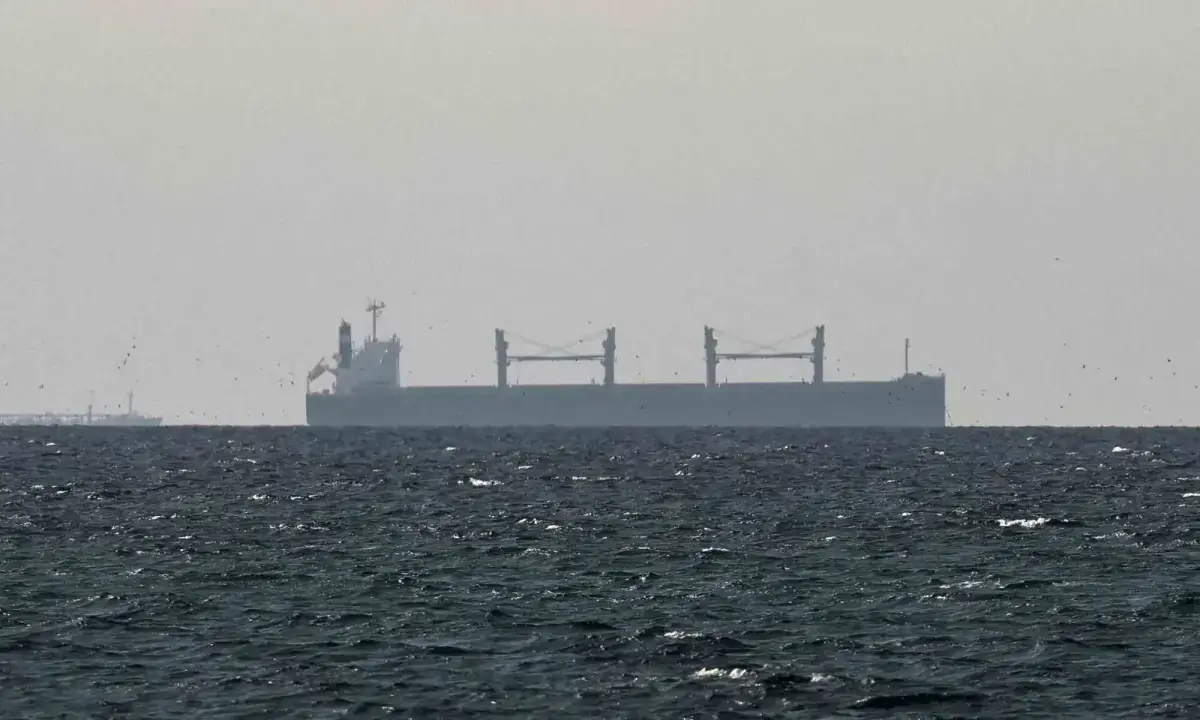
• Says Oman, other ‘brotherly states’ leading different aspects of diplomacy • Insists Islamabad is focused on settlement rather than ‘individual symptoms of crisis’ • Pakistan examining TORs, operational modalities of Saudi-led maritime coalition • Govt will decide on Gaza stabilisation force after formal proposal ISLAMABAD: The Foreign Office on Thursday insisted that Pakistan remained actively engaged in efforts to defuse the Strait of Hormuz stand-off, while also examining the terms of reference and operational modalities of a newly announced Saudi-led multinational maritime coalition aimed at protecting shipping routes in the Bab al-Mandeb Strait, the Red Sea and the Gulf of Aden. The Foreign Office acknowledged that different regional partners, particularly Oman, were taking the lead on different aspects of the diplomatic process. It portrayed Islamabad’s role as part of a coordinated effort by “brotherly states” to steer the crisis back towards the framework established under the Islamabad Memorandum of Understanding (MoU). “Pakistan remains engaged alongside other brotherly states in sincere efforts to resolve the crisis in the Gulf and the Middle East, especially with respect to the stand-off in the Strait of Hormuz,” Foreign Office spokesperson Tahir Andrabi said at the weekly media briefing. He explained that the current phase of diplomacy involved a division of responsibilities among regional actors. “Pakistan is playing the role. We remain engaged with the parties. Obviously, on certain issues, there are countries that take the lead, and on certain other issues, there are other countries that take the lead,” he said. The remarks came as Oman assumed the lead role in negotiations with Iran over the future management of navigation through the Strait of Hormuz, a process mandated under Article 5 of the Islamabad MoU signed between Tehran and Washington in June. That provision required Iran to ensure temporary toll-free passage for commercial shipping before entering into negotiations with Oman and other Gulf littoral states on the future administration of navigation, maritime services and related arrangements. High-level Iranian-Omani talks began days after the MoU was signed and have since evolved into a series of technical and political consultations on shipping routes, maritime services, cost-sharing and other operational issues. Iranian officials this week said substantial progress had been achieved, including agreement on the geographical coordinates of a proposed shipping route, although differences over operational control, service charges and related matters continued to be discussed. Seeking to place Pakistan’s role within that broader diplomatic effort, Mr Andrabi said: “Overall — if you look at the comprehensive efforts undertaken by Pakistan, Qatar and other brotherly countries, you will see a very coordinated and concerted facilitation process. This was particularly on the Strait of Hormuz.” He drew a distinction between Pakistan’s role during periods of acute crisis and its longer-term engagement in the overall diplomatic process. “You need to understand that the Strait of Hormuz was a stand-off, and in such a stand-off, dialogue was essentially the paradigm of facilitating a settlement,” he said. “Mediation is a more long-term process. The question of mediation comes when you are addressing issues that require persistent deliberations over a period of time, as, for example, the events leading up to the Islamabad MoU, the Pakistan-Qatar Joint Statement and the technical-level talks that it envisages,” he added. The explanation appeared aimed at underscoring that while Oman, as one of the two littoral states bordering the strait, now occupies the central role in negotiating its future management, Pakistan continues to view itself as an integral participant in the diplomatic effort that produced the Islamabad MoU and the subsequent implementation framework agreed with Qatar. Reaffirming Islamabad’s continued engagement, Mr Andrabi said: “Pakistan remains engaged, and, as I said, this is a concerted teamwork and coordinated effort from the brotherly countries, including Pakistan. We value the partnership of our brotherly countries in this regard.” “We will continue these peace efforts in concert with our brotherly countries and partner countries,” he added. The spokesperson also suggested that Pakistan’s immediate focus remained on securing implementation of a political understanding rather than becoming involved in negotiations over specific manifestations of the crisis, including the blockade and attacks on commercial shipping. On a question about the Strait of Hormuz blockade, he said, “We are more engaged with the settlement and less so with terms of the crises. The blockade is one facet or symptom of the crisis. Once the agreement is reached and implemented, these symptoms of the crisis, either blockade or accidental/voluntary attacks on maritime traffic, will obviously take