Muslim Americans take on key electoral contests in midterms amid foreign policy debates
AI Summary
Muslim Americans are running in congressional, state, and local races in at least 23 states, with campaigns shaped by debates over Gaza, Iran, and US foreign policy. Michigan Senate candidate Abdul El-Sayed has faced attacks targeting his faith, while candidates such as Ilhan Omar are also confronting similar rhetoric.
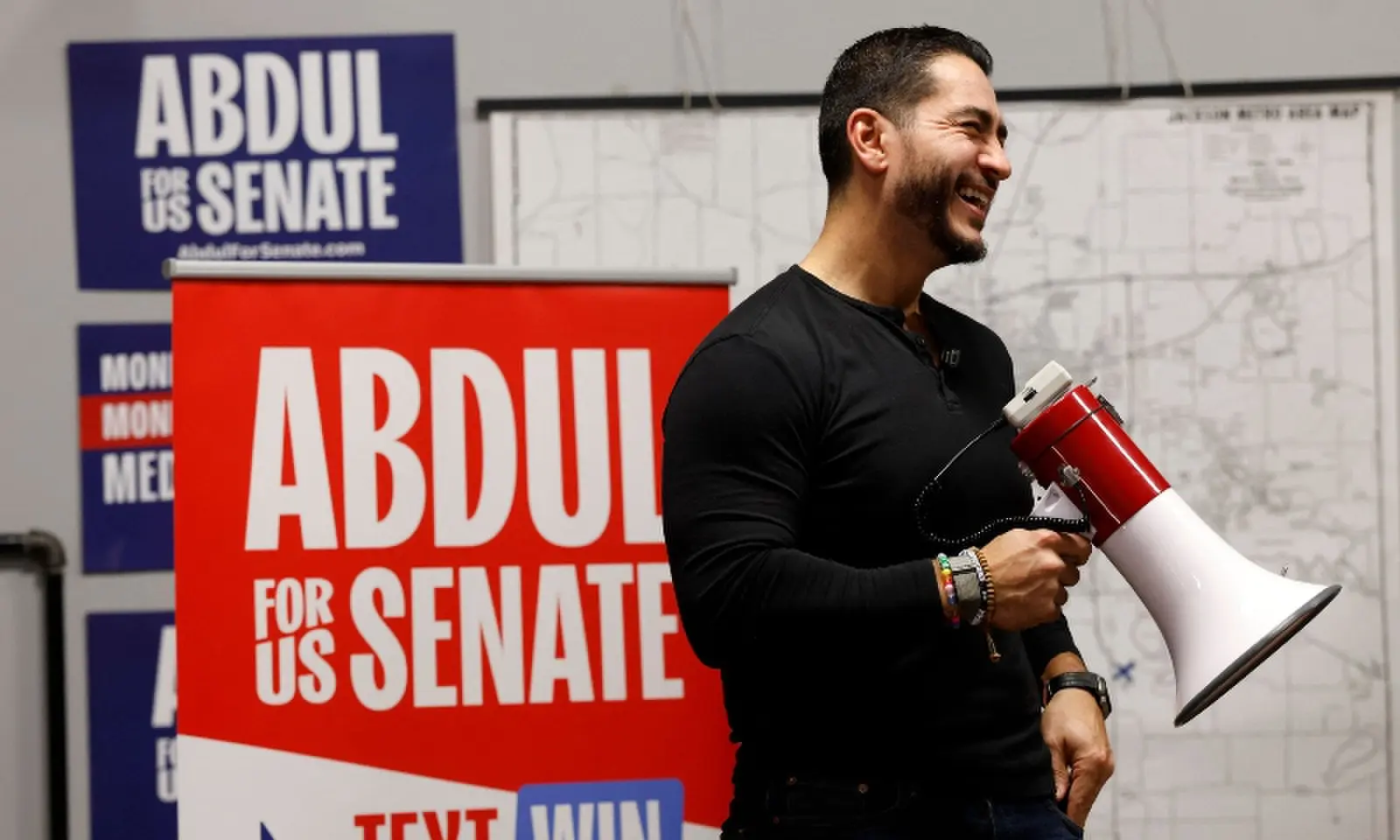
WASHINGTON: Muslim Americans are seeking a greater voice in US politics in the November 3 midterm elections, with candidates contesting congressional, state legislative and local offices across the country. Their campaigns come amid growing controversy over Washington’s Middle East policy. The war in Gaza has fuelled demands for an end to US military support for Israel, while the war with Iran has raised questions about American intervention, regional stability and overseas military spending. Muslim Network TV (MNTV), reviewing candidate listings and cross-checking names against civic organisations’ voter guides, officeholder records and news reports, has identified at least 51 Muslim Americans running across approximately 23 states. The count includes one Senate candidate, 10 congressional candidates and dozens seeking state and local offices. It represents a documented minimum, not a comprehensive national census. One of the most closely watched contests is Michigan’s Senate race, where Democrat Abdul El-Sayed is seeking to become the first Muslim elected to the US Senate. Michigan Democrat senatorial candidate Abdul El-Sayed speaks to supporters at a union hall in Jackson, Michigan, on October 29, 2026. — AFP Virginia Lieutenant Governor Ghazala Hashmi, the first Muslim woman elected to statewide office in the United States, endorsed El-Sayed in September, citing their shared commitment to affordable housing, healthcare, workers’ rights and economic opportunity. El-Sayed’s campaign has also attracted attacks centred on his faith. At a Michigan rally on October 25, President Donald Trump called him a “jihadist Muslim Brotherhood member” and suggested he should not be allowed into the Senate. El-Sayed has denied any association with the organisation, and reporting has found no evidence that he belongs to it. Addressing the broader question of Muslim American identity, El-Sayed said: “They want to tell us that this country is not ours. They want to tell us that because of our names and how we pray, somehow we are less than them.” Minnesota Congresswoman Ilhan Omar, a Democrat seeking re-election, has faced similar attacks from Trump, who has questioned her patriotism and revived allegations about her immigration history. Omar has rejected the administration’s actions as political intimidation, saying: “I will not be silenced.” Minnesota Congresswomn Ilhan Omar holds a news conference at the US Capitol in Washington, DC, the US on July 25, 2019. — Reuters/File The war in Gaza has become another major issue in the campaigns. Many Muslim and Arab American voters are demanding that Washington reconsider its military support for Israel, although opposition to continued assistance also extends to progressive activists, younger Democrats and some Jewish Americans. El-Sayed has called Israel’s conduct in Gaza genocide and demanded an end to US military assistance. He has also opposed funding foreign militaries generally, including those of Egypt, Saudi Arabia, Qatar and the United Arab Emirates. In an interview with Democracy Now! after winning the Democratic primary in August, he linked overseas military spending to economic pressures at home. “In an era where many of us can’t afford basic things like groceries or rent or healthcare, the idea that your government is sending your tax dollars to buy bombs and tanks for foreign governments seems anathema,” he said. “That money could be spent to fix your potholes, rebuild your kid’s school, that looks like it did 50 years ago. And we need that money spent here.” Michigan Congresswoman Rashida Tlaib, also seeking re-election, has demanded a full arms embargo against Israel. On July 2, she renewed her call, arguing that American military support enabled abuses against Palestinians. The positions of El-Sayed and Tlaib contrast with those of lawmakers who consider military assistance essential to Israel’s security and American strategic interests. The debate has become particularly contentious as criticism of Israeli policy is sometimes portrayed as evidence of hostility towards Israel or questionable loyalty to the United States. The Iran war has added urgency to these foreign-policy debates. US and Israeli strikes on Iran began on February 28, 2026, triggering Iranian retaliation and a wider regional conflict. Diplomatic and ceasefire efforts have failed to produce a durable settlement. On October 28, The Associated Press reported that US officials had warned Middle Eastern countries and regional allies to prepare for possible renewed American strikes on Iran after the midterm elections, as well as potential Iranian retaliation. Trump had not made a final decision but had repeatedly indicated that further military action remained an option. The prospect of renewed fighting has raised concerns about energy supplies, fuel prices and the financial costs of a prolonged conflict. These issues could resonate well beyond Muslim communities, par