Islamabad rebuts Kabul's stance on ‘lacking capacity’ to fuel insecurity in Pakistan, slams 'diversionary allegations'
AI Summary
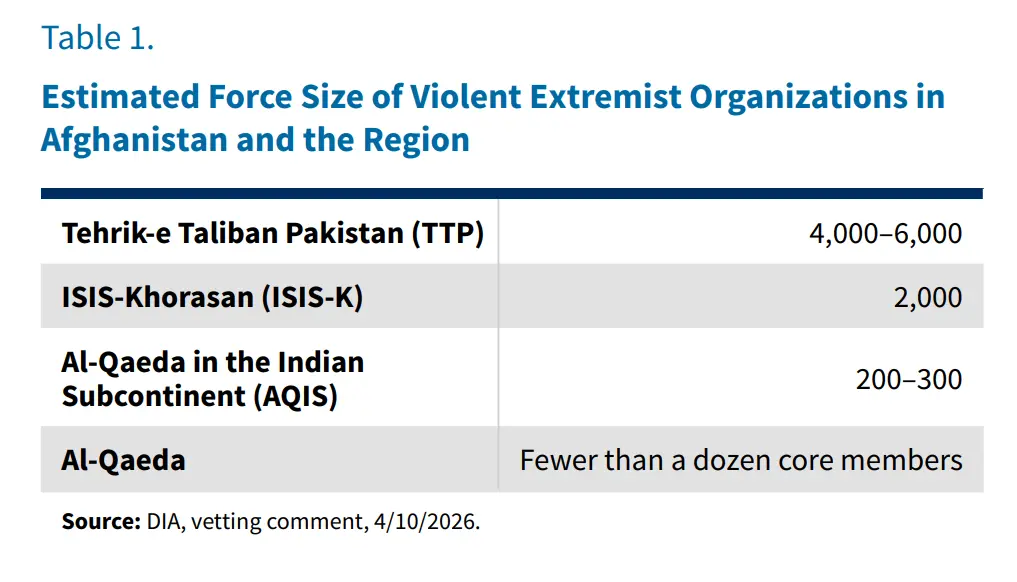
Pakistan's information ministry rejected the Afghan Taliban's denial that it can fuel insecurity in Pakistan, accusing it of failing to address longstanding concerns about cross-border militancy. Islamabad cited UN and US reporting that the Taliban allows the Tehreek-i-Taliban Pakistan (TTP) to operate from Afghan territory and support attacks, while estimating TTP strength at 4,000–6,000 fighters.
The information ministry on Saturday rebutted the Afghan Taliban’s stance that it lacked the “capabilities” to fuel insecurity in other countries and criticised it for resorting to “diversionary allegations” instead of preventing the use of Afghanistan’s soil for terrorist attacks against Pakistan. The ministry’s rebuttal comes after spokesperson for the interim Taliban administration in Afghanistan, Zabiullah Mujahid, said in a statement on X last night that it was not in his country’s “interest to create insecurity in Pakistan or to support any acts of instability there”. He further contended that the Taliban “do not possess capabilities or resources to foment or finance insecurity in other countries”, and claimed that Islamabad’s “misguided approach distracted Pakistan’s security forces from their own duties”. On Saturday, the information ministry said the Afghan Taliban “once again resorted to diversionary allegations instead of addressing Pakistan’s legitimate and longstanding security concerns”. “Pakistan’s concerns are not based on conjecture,” it asserted, adding that the “assertion that Afghanistan lacks either the capacity or the interest to destabilise Pakistan does not address these documented concerns”. It backed its stance on cross-border terrorism from Afghanistan by citing a report by the United Nations Security Council’s (UNSC) Analytical Support and Sanctions Monitoring Team and another report submitted to the United States Congress. The UNSC team, in its 16th report, “examined the presence and activities of terrorist groups in Afghanistan”, the ministry said. It further noted that the report by the US Lead Inspector General’s Operation Enduring Sentinel for January-March 2026 stated that the Afghan Taliban continued to allow the banned Tehreek-i-Taliban Pakistan (TTP) to operate from Afghan territory. The ministry also highlighted other findings from the report, which stated that the Taliban continued to allow TTP “greater liberty and support, resulting in increased TTP attacks against Pakistan”. It added that TTP remained the “largest in number” among those groups. Screengrab from US Lead Inspector General’s Operation Enduring Sentinel’s report for January-March 2026. “The report estimated TTP strength at 4,000–6,000 fighters. These assessments underscore the seriousness of Pakistan’s concerns regarding terrorist sanctuaries and support networks operating from Afghan soil,” the information ministry emphasised. “Repeated attempts by armed terrorists to infiltrate across Pakistan-Afghanistan border, the killing of Afghan nationals and members of terrorist groups during Pakistan’s counterterrorism operations, and the recovery of foreign-origin weapons from terrorist elements, all warrant serious scrutiny,” the ministry stressed. It noted that Pakistan had also raised concerns over “alleged facilitation of terrorist groups by Afghan Taliban officials, including officials in Kandahar”. “Such concerns cannot be dismissed through blanket denials; they require credible explanations and verifiable action.” The ministry further said that “blaming Pakistan’s security institutions does not absolve the [Afghan Taliban] regime of its responsibility to prevent Afghan territory from being used for terrorism against Pakistan”. ‘Legitimate security concerns’ The ministry clarified that Pakistan’s “security measures are directed against terrorist threats, not the Afghan people”. “Attempts to portray Pakistan’s legitimate security concerns and necessary defensive measures as hostility towards Afghanistan will neither deflect attention from the issue nor resolve it,” it stressed. Pointing out that peace and stability were closely linked, it highlighted that Afghan people stand “as much to gain from a region free of terrorism as their Pakistani neighbours”. “The Afghan Taliban regime must end any tolerance, facilitation or support for terrorist organisations, including TTP, BLA (Baloch Liberation Army) and their affiliates, and ensure that Afghan territory is not used to plan, prepare or launch attacks against Pakistan,” the ministry demanded. It declared that Islamabad “will continue to take all necessary measures to protect its citizens, sovereignty and territorial integrity”. The ministry affirmed that Pakistan “remains open to responsible engagement based on mutual respect, verifiable commitments and concrete action against terrorist sanctuaries, support networks and cross-border infiltration”. “However, Afghan Taliban regime must understand that peace can only prevail in the region if Pakistan’s core concern of terrorism originating from Afghanistan is verifiably addressed by the Afghan Taliban,” the statement concluded. Ties between Pakistan and Afghanistan have been strained in the past few years as Islamabad continues to voice its concern over cross-border terrorism. Islamabad has repeatedly urged the Taliban administration in Kabul to dismantl