Iran crisis fuels a crude war in Myanmar
AI Summary
Myanmar's artisanal oil producers in Magway are caught between military forces and pro-democracy rebels, as fighting puts workers and oil operations at risk. Fuel shortages and the global energy shock have made locally produced crude more valuable, while prices at Myanmar's petrol pumps have nearly doubled since late February.
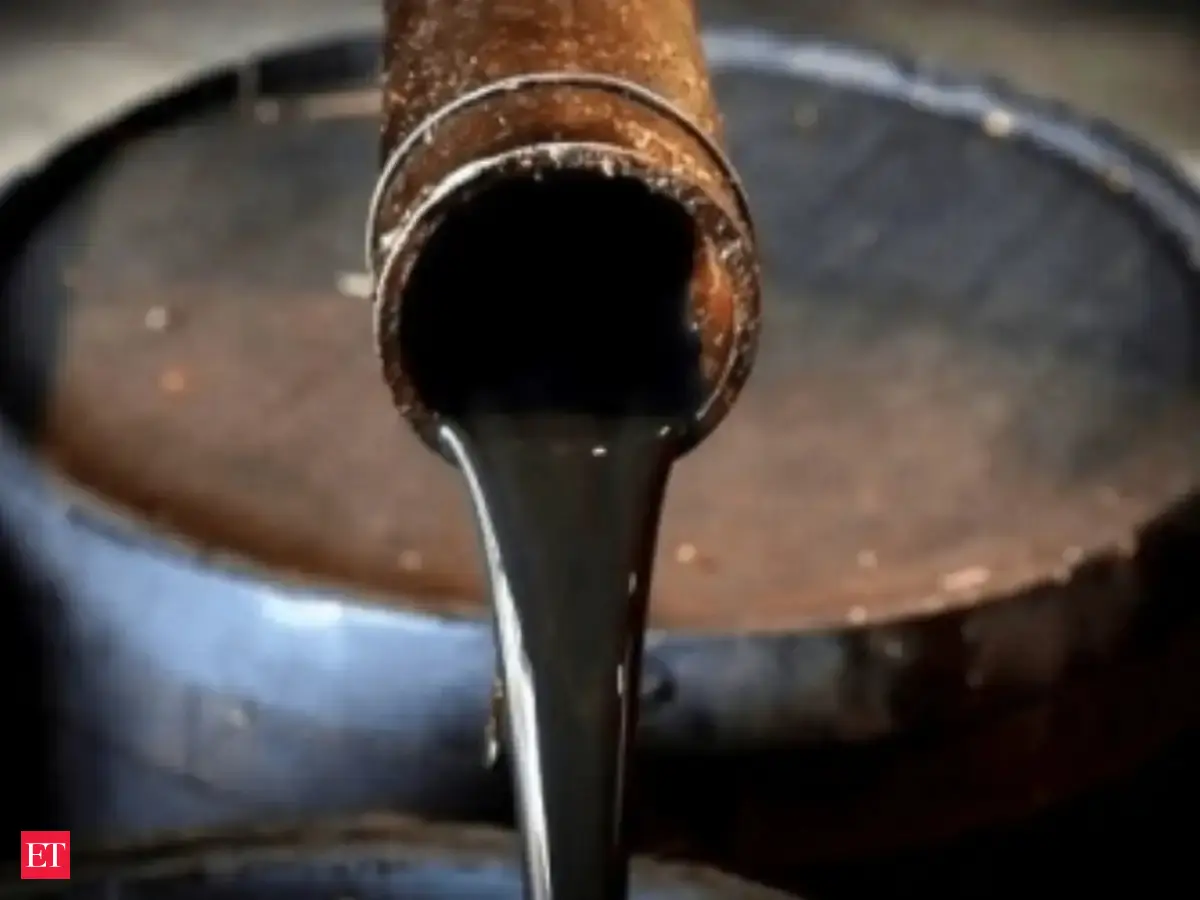
Myaing, Myanmar: Myanmar's small-scale oil prospectors are under fire from all sides as rebels and the military battle to capture a cottage industry increasingly lucrative amidst the Middle East energy shock."As long as we work here, bad luck can kill us," said Htun Aung, a worker on an artisanal oil well in Myanmar's arid heartlands.Also read | Jensen Huang case: Nvidia CEO love affair scandal revives push for tougher US line on China"But if the reality of death is hard to face, then making a living is even harder," said the 52-year-old, speaking under a pseudonym for security reasons.Myanmar imports 90 percent of its fuel oil, official figures show, making it particularly vulnerable to supply issues caused by the US-Israeli war on Iran.But the central region of Magway hosts a hardscrabble industry of domestic prospectors manning grimy derricks that squelch up crude oil in humble quantities.The area is dubbed "Anyar Dubai", associating the Anyar landscape with the oil boom Emirate, despite the pitiable $50 per week earned by workers like Htun Aung who spend their days drenched in foul crude run-off.With prices at Myanmar's petrol pumps nearly double what they were in late February, the underground "black gold" is an increasingly coveted prize of war.Also read | Trump's Iran war may be 'militarily' over, but economic siege still haunts"We just want to live in peace," said Htun Aung. "But now they strike from one side and the others strike from the other -- they keep attacking each other.""We've had to flee three, four, five times already," he added. "We run here, we run there. We fill up our motorbikes with fuel and run again."Digging inAllied pro-democracy rebels claim to have controlled oil fields in Magway's Myaing township since 2023, the third year of a nationwide civil war triggered by a coup.They patrol the dusty territory in a westward crook of the Irrawaddy river in ragtag columns and outfitted with rocket-propelled grenades, flak jackets, tote bags and flip-flops.Air and drone strikes in Myaing so far this year have already exceeded 2025's total, according to ACLED, a monitor that estimates more than 100,000 people have died since the putsch.Rebels shelter in foxholes, camouflaged among thousands of oil wells dug in an unregulated practice dating back centuries.Engine winches chug day and night, plunging plumbing tubes dozens of metres down boreholes before dragging them up filled with crude oil slurry.Prospectors pay landowners up to $3,500 to lease a spot to drill,one veteran said, with no guarantee they will hit oil.Some wells yield dribbles while others gush profit, filling tarpaulin-lined pits and barrels with oil hauled off to improvised refineries for processing into petrol and diesel."Anyar Dubai" has been "going viral" for its plentiful supply, said rebel spokesman Pyae Phyo Kyaw, at a time when Myanmar military-held areas have been rationing petrol.He touted recent offensives fending off military advances, but admitted being battered by counter-attacks."We see it primarily as an attempt to destroy what has been a strong supply route and source of revenue for us," said the 35-year-old, speaking under his real name.Myanmar's military could not be reached for comment.But in September, a month-long military operation claimed to have captured over 130 wells in Myaing and 735 more in neighbouring Pakokku township.Black marketScores of pro-democracy factions and ethnic minority armed groups are fighting the military over the 2021 coup that ousted the elected government of Aung San Suu Kyi.As the war grinds on, all sides battle to fill war chests with the tax or trade of natural resources: gem mines, rare earth mineral deposits, gold or teak.Oil projects are not generally contested.The major ones are under staunch military guard, and on-the-books output is tiny by international standards -- around 6,000 barrels a day last year, according to the US Energy Information Administration.But artisanal fields are coveted by rebels precisely because of their modest size, according to Thomas Kean, senior Myanmar consultant for the International Crisis Group."Part of the reason why they're significant is because they're not globally significant," he said, explaining that they are small enough to thrive under the radar, yet big enough to fund guerrillas.Spiking oil prices may not directly drive conflict, said Kean, highlighting a broader military campaign to evict rebels from heartland footholds by squeezing revenue sources.But as the spoils of war become more profitable, the stakes get higher."We're talking about millions of barrels a year coming out of these oil fields," he added."With global prices what they are, that's a significant amount of money."