How opencast mining risks reawakening dormant geological faults
AI Summary
A new study from the GFZ Helmholtz Centre for Geosciences reveals that opencast mining in Germany triggers subsidence and may reactivate dormant geological faults up to 20 km from the mine site. This finding has implications for mining operations and local environmental safety.
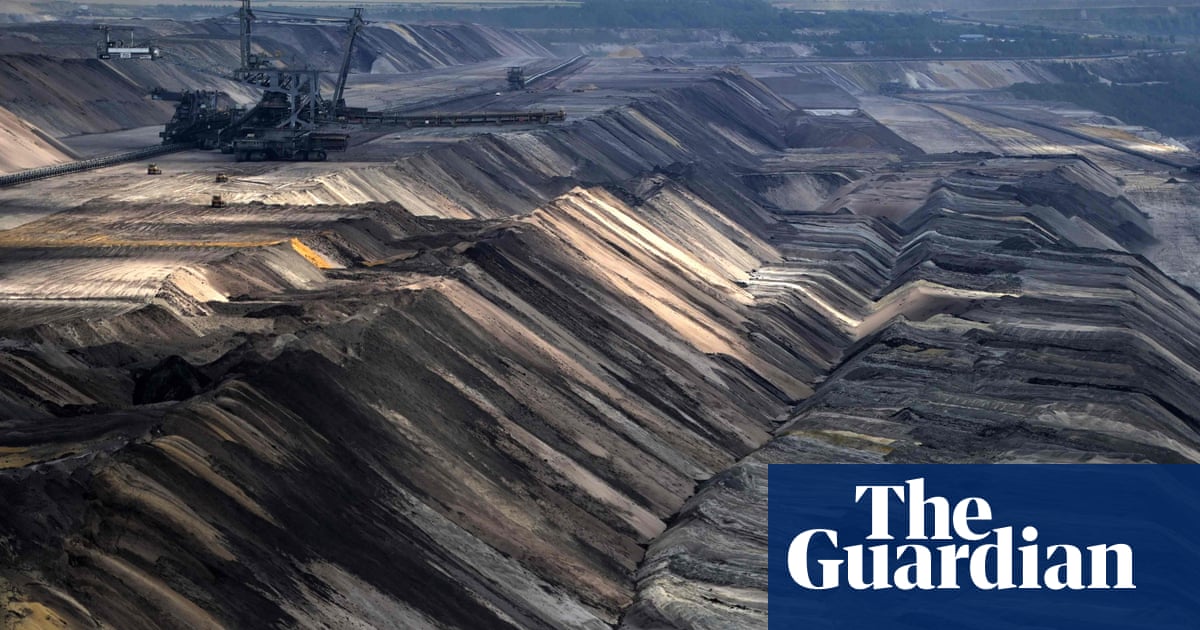
New study finds subsidence caused by groundwater extraction can take place as far as 20km from site of mine The impact of opencast mining goes far beyond the edge of the pit. Studies of an opencast coalmine in western Germany show that opencast mining triggered extensive subsidence in the surrounding area and re-activated dormant geological faults. Underground mines are often associated with ground subsidence, but less is known about the risks associated with opencast mines. Researchers from the GFZ Helmholtz Centre for Geosciences in Potsdam, Germany, studied satellite data and geological field measurements from the area around the opencast Rhenish coalfields, between Aachen and Cologne. Continue reading...