Govt approves new oil refining policy after years; what does it mean?
AI Summary
Pakistan has approved the Brownfield Refining Policy after a six-year delay, driving a $6 billion investment to modernize oil refineries. The policy focuses on improving fuel quality to Euro-V standards and increasing production of petrol and diesel, while reducing furnace oil output to enhance energy security. Fiscal incentives and regulatory measures accompany the modernization effort.
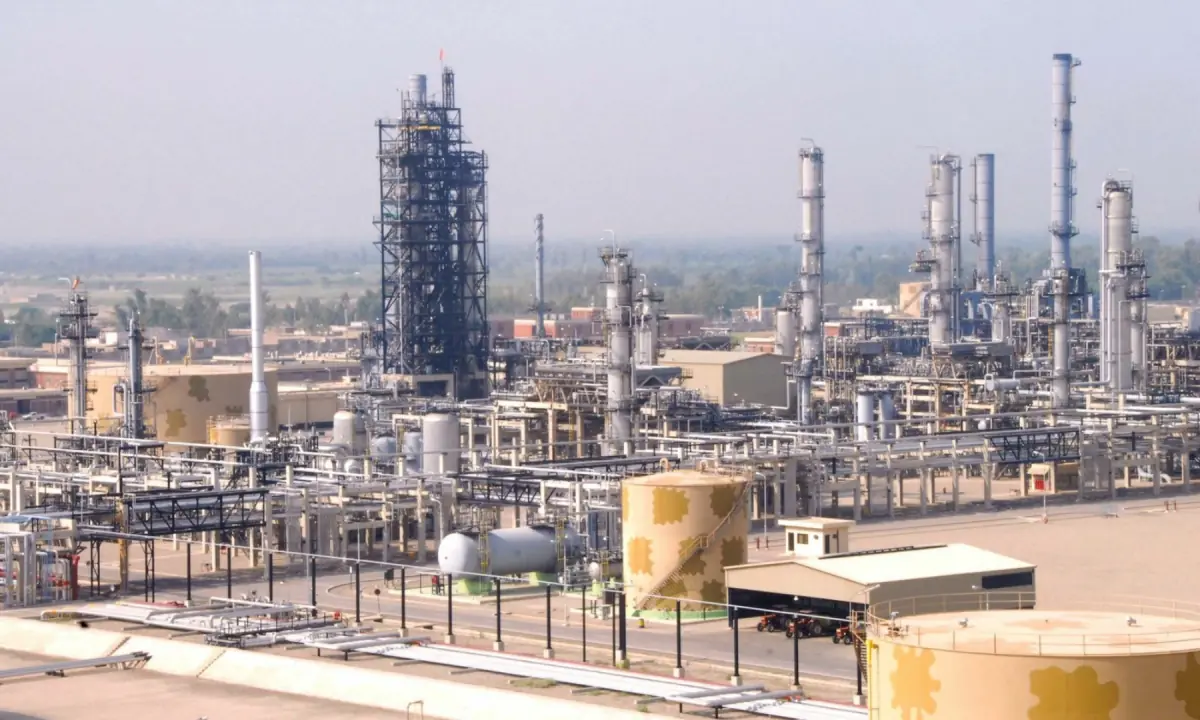
ISLAMABAD: After six years of deadlock, the government on Tuesday approved the Brownfield Refining Policy to modernise the country’s petroleum refineries with an estimated investment of about $6bn to improve product quality and increase production. The policy — approved by the Cabinet Committee on Energy (CCoE) led by Prime Minister Shehbaz Sharif — provides stability clauses to protect investment, gives tax incentives and foreign exchange accounts for imports of machinery against export of furnace oil, besides enhancing both offshore and onshore storage for greater energy security. The policy, revised by amending the original 2023 legislation, now supersedes all previous refining policies. Under the Brownfield Refining Policy, the five existing refineries will make improvements in product quality, quantity and product mix through upgradation. As such, the total production of motor spirit (petrol) and high-speed diesel (HSD) will significantly improve, and that of furnace oil will reduce. This means the total petrol production would increase by 72pc to 18,400 tonnes per day (TPD) from the current 10,700 TPD. HSD output would rise by 39 per cent to 29,520 TPD from 21,240 TPD, while furnace oil production would drop by 63pc to 5,714 TPD from 15,417 TPD at present. All existing refineries are to upgrade/modernise/expand (Upgrade Project) their refineries to produce environmentally friendly fuels as per Euro-V emission specifications and to maximise production of motor gasoline, diesel or other value-added products, if any, by minimising furnace oil/other fuels. Euro V standards permit only 10 parts per million (ppm) of sulphur in gasoline and diesel. Euro IV allows 50 ppm while Euro III allows 150 ppm in gasoline and 350 ppm in diesel. The refineries that commit to the Upgrade Project shall be entitled to incentives under the newly approved policy. The selection of equipment, technology or process will be on a project-to-project basis by the concerned refineries. Refineries shall be allowed to sell their products to any oil-marketing companies (OMCs) licensed by the Oil and Gas Regulatory Authority (Ogra). Refineries will be allowed to export surplus petroleum products with respect to domestic demand subject to approval of Ogra. There shall be binding agreements between the refineries and OMCs for sale/purchase of major products (motor gasoline and HSD) based on product review meetings to ensure a smooth oil supply chain. The Petroleum Division will notify the Euro-V fuel specifications for compliance after the upgradation of refineries within one month from now. In case the government decides to improve the fuel specification beyond Euro-V, the timelines for applicability of the revised specification shall be devised and notified as required. Fiscal regime Under the Brownfield Refining Policy, there will be a minimum customs duty/regulatory duty of 10pc on motor gasoline and diesel imported in the country, for a period of seven years from the date of notification of the new policy. Any customs duty imposed over 10pc and reflected in the ex-refinery price will be deposited in the Inland Freight Equalisation Margin (IFEM) pool. In case any refinery is not eligible to avail the incentives provided in the policy, it will be bound to deposit the same in IFEM. Customs duty on crude oil will also be reimbursed to refineries through IFEM. The refineries will be allowed 10pc tariff protection/deemed duty applicable on motor gasoline and diesel’s ex-refinery price for seven years from the date of signing of the Upgrade Agreement and opening of a joint escrow account with Ogra within 90 days of notification of the new policy. An escrow account is a temporary account managed by a neutral third party to hold funds, documents, or other assets until specific contractual conditions are met. However, 2.5pc of the deemed duty on diesel and 10pc on motor gasoline (incremental incentive) will be deposited by refineries in the escrow account maintained by Ogra and the respective refinery jointly in National Bank of Pakistan (NBP) for utilisation of Upgrade Projects only. Until the opening of the said account, the incremental incentive should be deposited in the IFEM. The prevailing 7.5pc deemed duty on HSD for sustainability will continue after the 7-year incentive period for 20 years or till deregulation, whichever is earlier. Any disallowed sales tax related to refinery operations, confirmed by the Federal Board of Revenue (FBR), due to exempt status of petroleum products will continue to be reimbursed through IFEM for FY26 till validity of Upgrade Agreements to be executed under the policy. Equipment to be installed or material to be used in the refinery upgradation project will also be exempted from sales tax. After upgradation, crude oil inventory on site is to be maintained for 14 days of name plate capacity of refinery at all times. Refineries relying on import of crude oil will ensure an additional five day