Breathe Pakistan 2026: Need for multi-sectoral approach towards climate action highlighted
AI Summary
The Breathe Pakistan International Climate Change Conference highlighted the need for a multi-sectoral approach to address climate change issues. Experts from various fields discussed strategies to bolster climate resilience and cooperation among sectors.
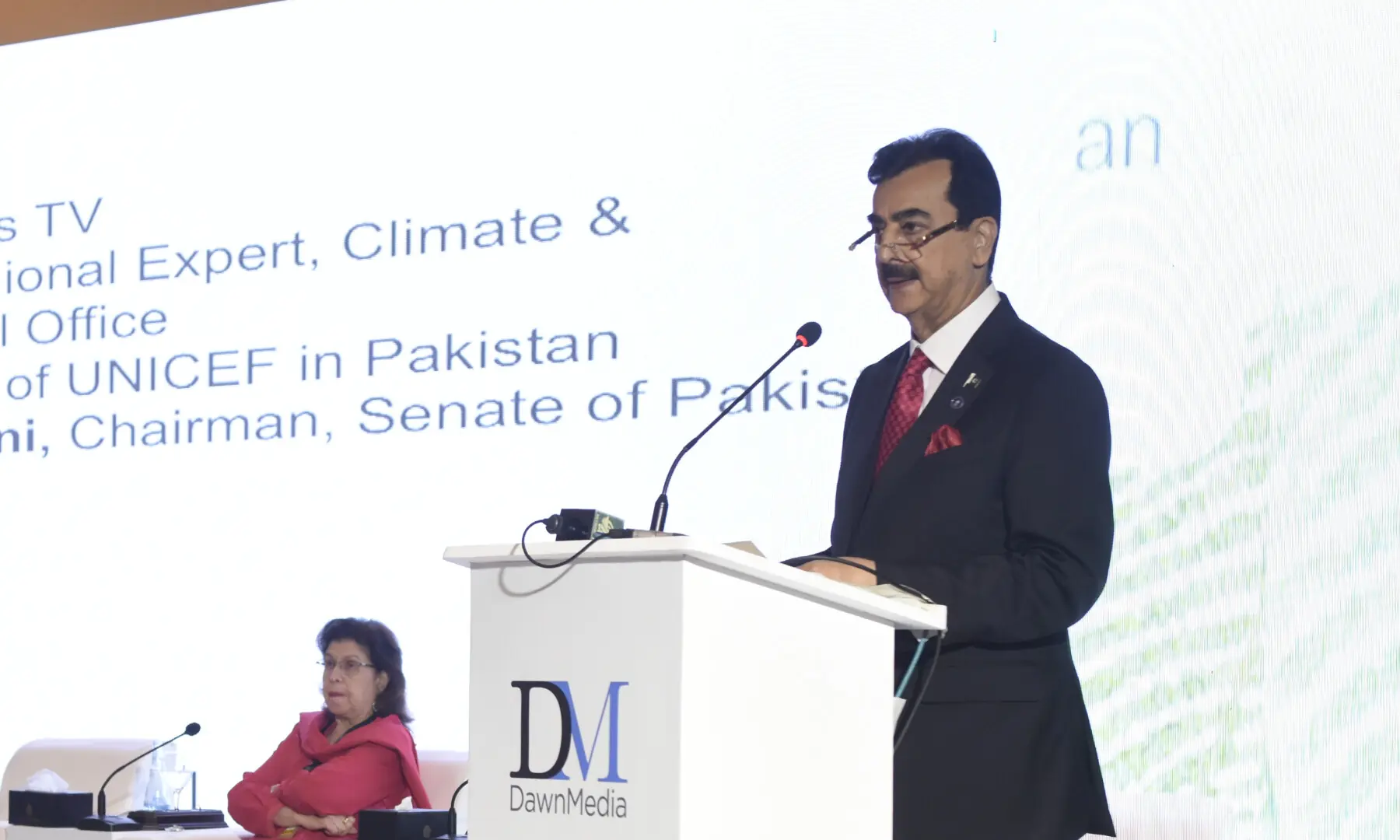
The second Breathe Pakistan International Climate Change Conference concluded in Islamabad on Thursday, with experts calling for a multi-sectoral approach towards climate action and stressing the need to engage women and the youth. Despite contributing minimally to global emissions, Pakistan remains among the most climate-vulnerable nations, underscoring the critical need for coordinated, locally grounded, and globally informed responses. The two-day conference, organised by DawnMedia, brought together policymakers, experts, and stakeholders from across sectors to examine intersecting challenges and chart a path forward. Today, stakeholders from the development and private sectors, civil society members, energy experts, among others, gathered to frame a walkable pathway for a sustainable and adaptive future for Pakistan. On the first day, federal ministers, government officials, business leaders, and agriculture and water experts were among the various speakers who presented their perspectives on tackling the climate crisis. View the full agenda here. 5:30pm — Conference concludes 5:22pm — ‘Internal stability, regional calm, global cooperation needed to achieve climate agenda’ Senate Chairman Yousuf Raza Gilani speaks at Breathe Pakistan conference. — White Star/ Tanveer Shahzad Senate Chairman Yousuf Raza Gilani, appearing for this year’s Breathe Pakistan as well, said Pakistan was braving the challenge with resilience and resolve. He stressed that to achieve climate, food and economic security, “internal stability, regional calm, and global cooperation” were needed. “Without peace, no climate agenda can succeed,” he said. The Senate chairman declared, “Pakistan is leading by example. We are strengthening resilience across energy, food, and agricultural sectors, mobilising climate finance and expanding partnerships.” “Climate resilience must reach the last mile, protecting farmers, families and communities, not just filling policy documents,” Gilani said, reaffirming the Senate’s commitment to advancing climate laws. 5:16pm — ‘Solutions clear, but need to be implemented, resourced and prioritised’ Unicef Pakistan’s Pernille Ironside speaks at Breathe Pakistan conference. — White Star/ Tanveer Shahzad Unicef Pakistan’s Pernille Ironside, speaking on behalf of the United Nations in Pakistan, commended DawnMedia for organising Breathe Pakistan to discuss the climate crisis. Ironside recalled that the two-day conference engaged a whole range of stakeholders — government, private sector, civil society, media, UN, development partners, and others, such as a 19-year-old activist. “As we heard, those solutions are clear; they need to be implemented, resourced and prioritised.” She affirmed the UN’s commitment to continuing to partner for such initiatives on climate action. 5:04pm — Focus on disaster-risk reduction in ‘age of adaptation’: UNEP’s Aban Marker Aban Marker Kabraji, speaks at Breathe Pakistan conference. — White Star/ Tanveer Shahzad Aban Marker Kabraji, senior regional expert for Climate & Environment at UNEP Asia Regional Office, said the world was in a “coping scenario”. Speaking at the last session, she said: “We’re no longer in ‘can we actually escape the impact of climate change’. It’s there. So we are now in the age of adaptation. […] We can prevent it from getting worse, but we probably can’t prevent the impact in a sense already programmed into the systems of weather and climate. “So we are looking at disaster-risk reduction, adaptation and trying to ensure that fragmentation — that exists not just in Pakistan’s systems of government but most systems in most countries — is brought together.” 4:56pm — Climate finance is development finance at its core: UNEP official Reflecting on the main takeaways of the conference, UNEP’s Aban Marker Kabraji noted the recurring topic of climate finance, which she said was “at its core was development finance”. “The way we restructure our banks, insurance, allocations, and respective ministries,” she said, calling for integration for climate resilience. She also stressed that moving forward, the solutions had to be “indigenous”, adding that indigenous solutions were what would “save us”. WATCH: Sharmila Faruqui talks about importance of climate planning 4:48pm — ‘Protecting forests KP govt’s primary objective’ Shafi Jan, KP CM’s aide on information, called for protecting forests, asserting that it was the provincial government’s “primary objective”. He said the KP government was ready to work with other provinces on climate change. He stated that there was a total ban on deforestation, clarifying that some videos circulating recently and connected to the KP government’s “misgovernance” were from Dir and old. Jan called for all governments to play their part and sought the inclusion of a climate component in the National Finance Commission Award. 4:44pm — KP CM aide details efforts undertak